Part 2: Night follows night, and the two and the three stringed instruments talk to each other
- Jasleen Kaur
- Christian Nyampeta & Kivu Ruhorahoza
- Naufus Ramírez-Figueroa
- Constantina Zavitsanos
Night follows night, and the two and three-stringed instruments talk to each other is a multi-modal, multi-sensory assembly that moves across disciplinary and institutional boundaries. Taking inspiration from polyphonic collectives and embodied ritual practices, it brings together the resonant works of Jasleen Kaur, Christian Nyampeta & Kivu Ruhorahoza, Naufus Ramírez-Figueroa, Skeena Reece, and Constantina Zavitsanos.
Drawing its title from a poem Ghazal 463 penned by Hafez Shirazi, Night follows night shifts attention away from representational discourse towards practices of embodiment, to accommodate emergent aesthetic forms in which song is lament, food is evidence, poetry is history, and objects speak. This assembly creates space for practices of trans-temporal interlocution, interruption, eruption and prophecy. It asks: how can we move beyond exhibitionary formats towards spaces of polyvocal collaboration, plural assembly and fugitive sociality?
Program Schedule
10:00 a.m.: Doors open; opening refreshments
11:00 a.m.: Constantina Zavitsanos All the time (audible)
12:00 p.m.: Jasleen Kaur Over Here–Over There
1:00 p.m.: Lunch break, light refreshments served
2:00 p.m.: Kivu Ruhorahoza and Christian Nyampeta Whispers
3:00 p.m.: Naufus Ramírez-Figueroa Séance for Extinct Species of Birds
Co-curated by Susan Gibb, Vanessa Kwan, and Sadia Shirazi.
About the Programme
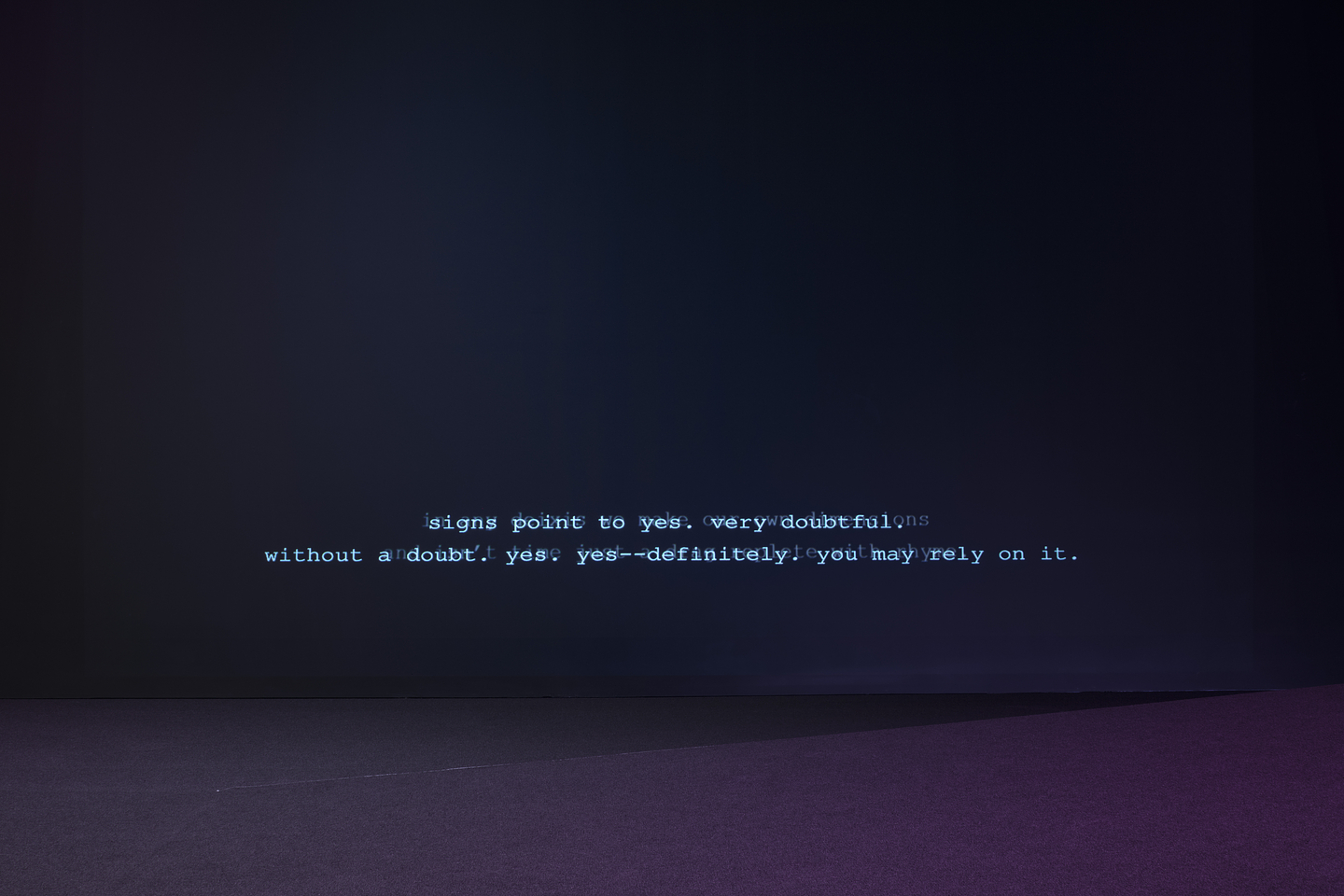
The assembly begins with a screening of Constantina Zavitsanos’s All the time (audible) (2019/26), a newly produced and always in-progress, polyphonic open captioned video that makes sonic the silent captions for otherwise infrasonic works in the artist’s practice. All the time remixes textual fragments and folds, the ocular and oracular, and questions of in/capacity—this audible cut crosses two times in love letters and notes on space-time. The work thinks with and against the clarity of translation and its accompanying presumptions of discrete, sensorial arrangement. Opacity and occlusion trouble the screen, offering a space and time where even the always open ear need not hear, and where vision may be best with eyes closed. A conversation with the artist will follow the presentation.
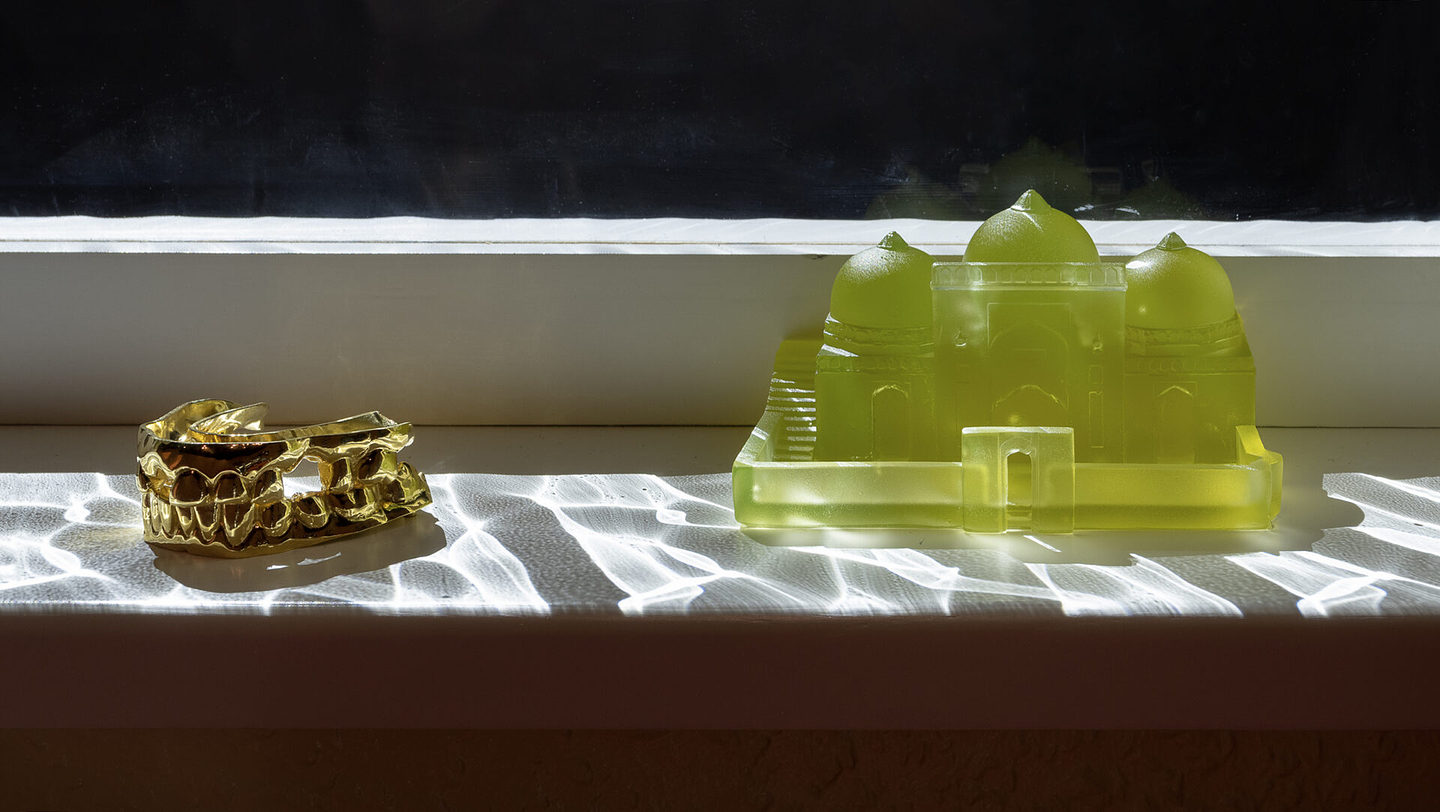
Jasleen Kaur’s lecture performance Over Here–Over There (2026), departs from Supra (2026), her recently commissioned work for the 59th Carnegie International. Kaur extends the themes of memory, trans-temporal sound and intergenerational interlocution to move between scalar registers, considering how historical events resonate across larger social and political structures—borders, beliefs, nation-states, inherited systems of power—and within the intimacy of domestic life and relationships. She describes this as an engagement with “the systems and frameworks we live within and feel through” and traces how they reverberate through the body, breath, and act of collective listening. A conversation between the artist and curator Sadia Shirazi will follow the presentation.
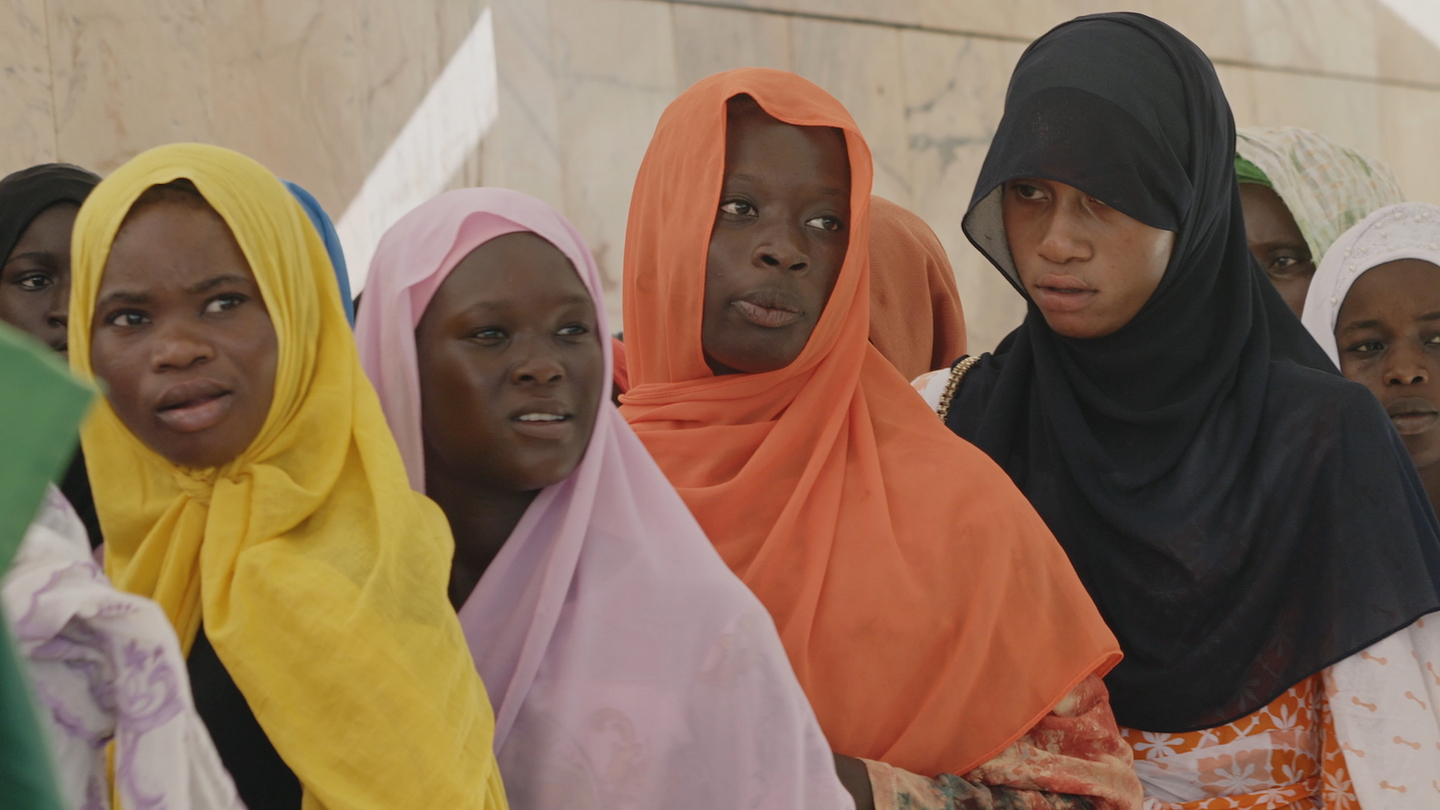
Echoing throughout the assembly, is the refrain of ancestors, rituals, and objects that speak. Kivu Ruhorahoza and Christian Nyampeta present their film Whispers (2025), a cinematic meditation on the poem “Les Souffles” penned in 1947 by Birago Diop in which the Senegalese poet invites us “to listen more often to things than beings.” The film moves between scenes of everyday life in Dakar and the registers of the living and the dead, a meditation on Diop’s insistence that ancestors are never gone but only transmute into other forms.
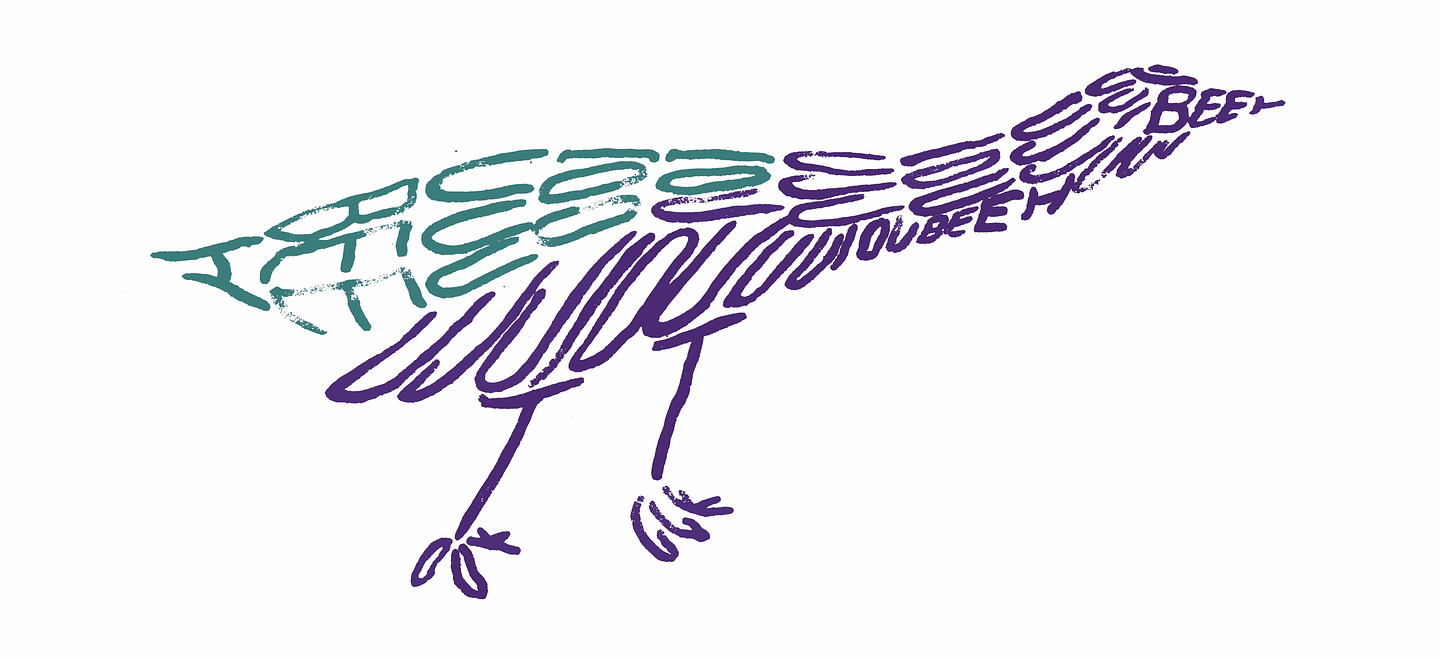
Night follows night draws to a close with a presentation by Naufus Ramírez-Figueroa on his ongoing series Séance for Extinct Species of Birds. Informed by a series of participatory performances held with students, artists and community members across Emily Carr University of Art + Design, UBC and the Western Front in the weeks preceding the assembly, Ramírez-Figueroa’s presentation extends his broader artistic practice in which sculptural installation, performance and dreamlike imagery create encounters with historical violence, displacement and resistance. Through gesture, invocation, and theatrical transformation, he asks how we might listen across species and temporalities to those who are no longer with us, and how imagination might allow us to form connections where direct access, evidence or language have been lost. In this sense, absence is not an end point, but a space from which other forms of presence, memory and relation might emerge. Ramírez-Figueroa reminds us that “Everything is in the world of vision and dreams.”
About the Artists
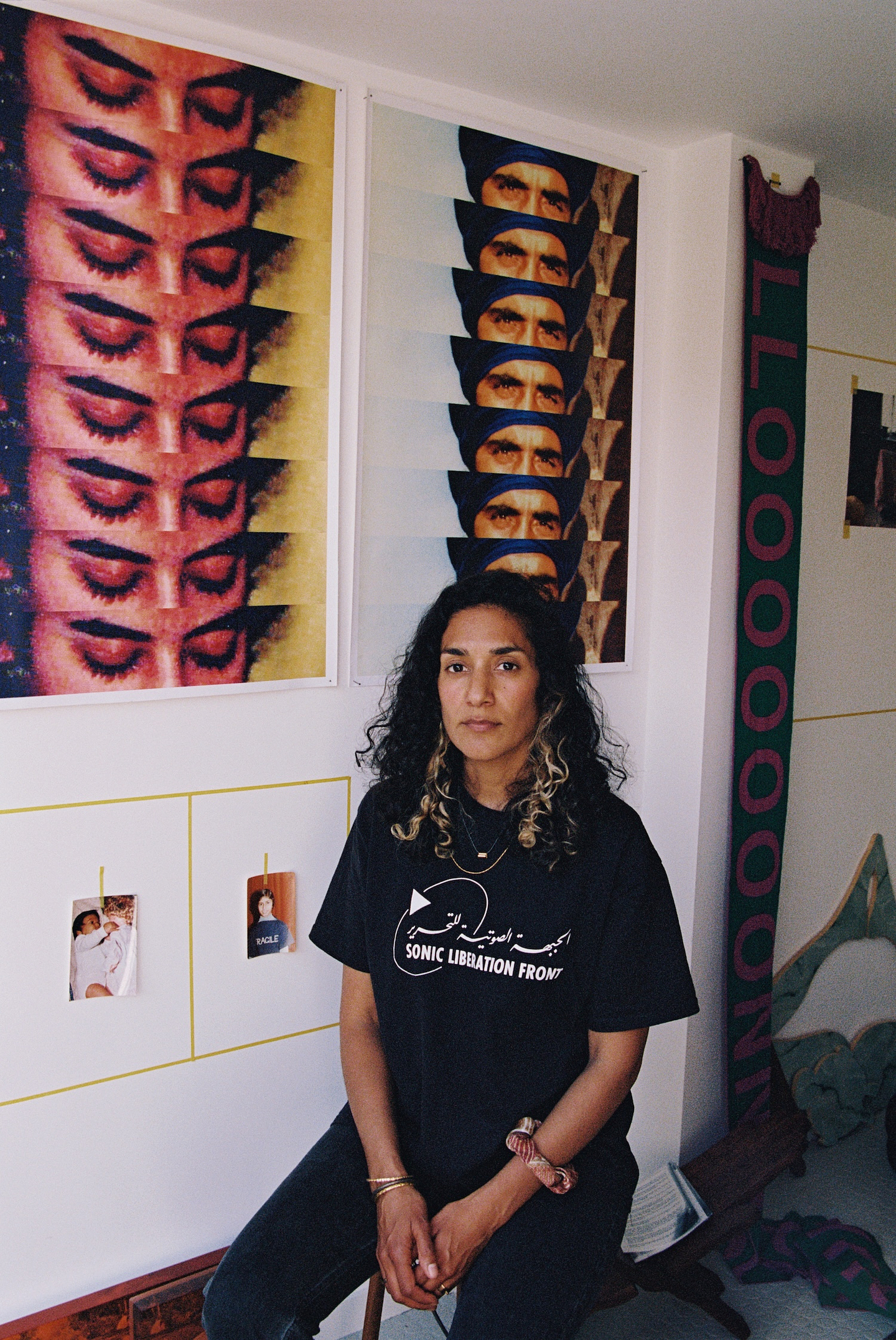
Jasleen Kaur is an artist based in London, who explores cultural memory and political belonging. Kaur makes with the slurry of life, interested in the social histories contained within the material things that surround us. In her practice, mass-produced, everyday objects are coded with symbols and images, questioning how the narratives we inherit circulate in discreet ways and, in turn, shape us. Solo exhibitions and commissions include Superstructure, Glasgow 2026 Festival (2026); Boomerang, Hollybush Gardens, London; Was. Is. Will be., a permanent artwork for Thamesmead, London (2025); Alter Altar, Tramway, Glasgow (2023); Flesh ‘n’ Blood, Humber Street Gallery, Hull; Gut Feelings Meri Jaan, Touchstones Rochdale (2021); and Be Like Teflon, Glasgow Women’s Library (2019). In 2019, her book Be Like Teflon was co-published by Glasgow Women’s Library and Dent-De-Leone. Kaur is the winner of the 2024 Turner Prize, and she was awarded an honorary doctorate by the Glasgow School of Art in 2025.
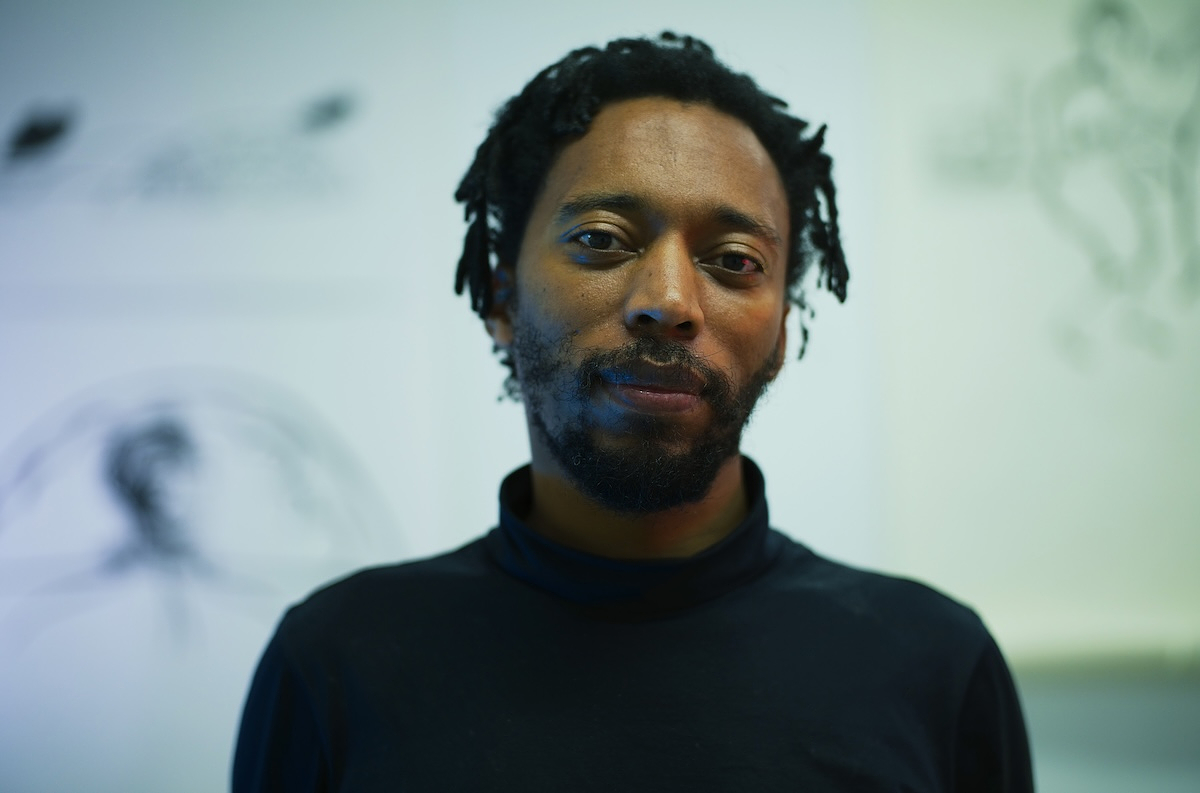
Christian Nyampeta is an artist living in New York from where he organizes programs, exhibitions, screenings, performances, and publications, which are conceived as hosting structures for collective feeling, cooperative thinking, and mutual action. Nyampeta is the convener of Boda Boda Lounge 2022-2024, a trans-African film and video art festival. In New York, Nyampeta convenes the African Film Institute at e-flux in Brooklyn.
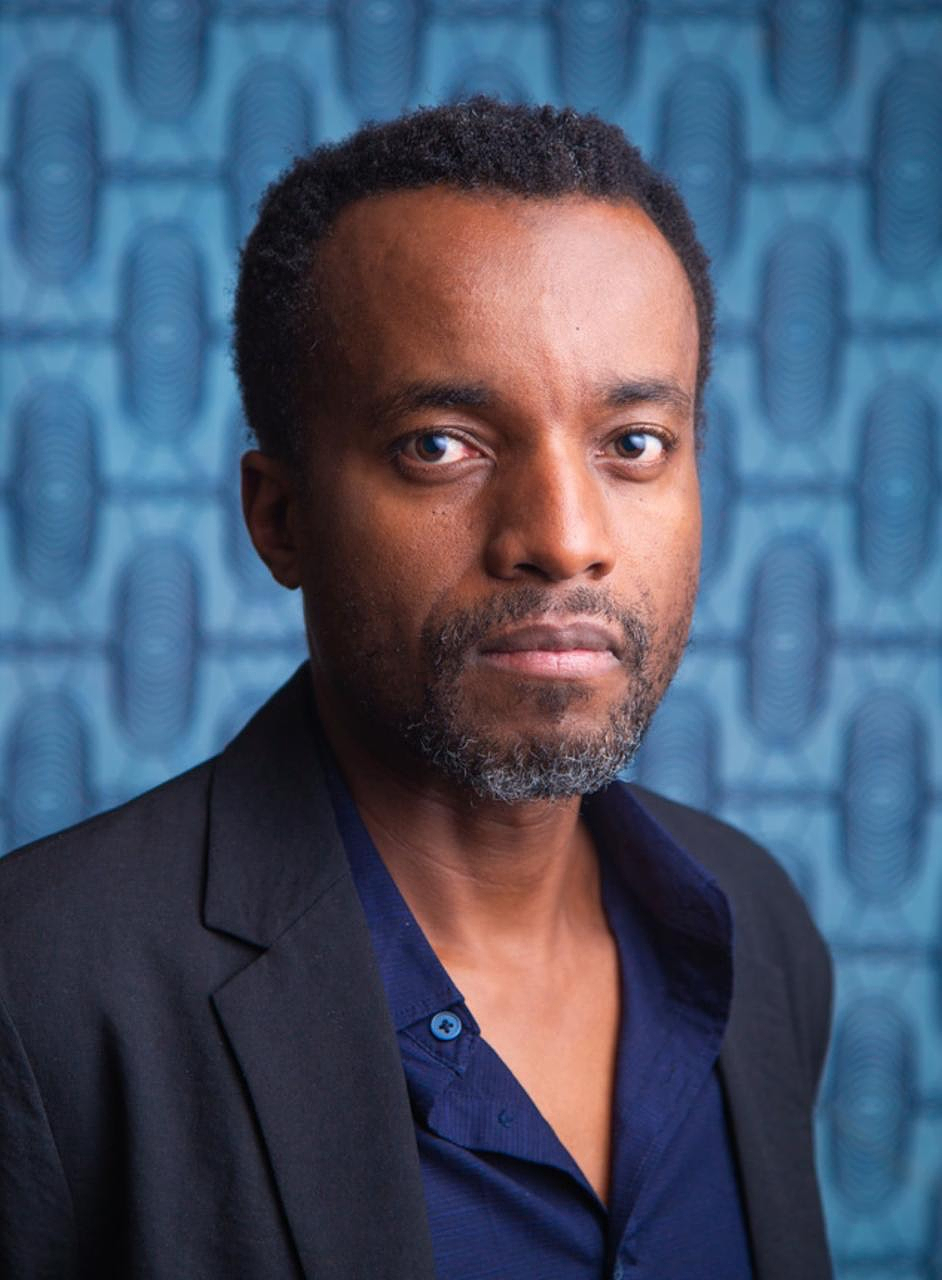
Kivu Ruhorahoza is an award-winning filmmaker and visual artist based in Kigali. Kivu’s work has been showcased at A-List festivals including Sundance, Berlinale, TriBeCa, IDFA, Melbourne, Venice and renowned museums including the MoMA in New York. Kivu was the 2022–2023 Stewart McMillan Fellow in distinguished filmmaking and an affiliate of the Hutchins Center for African & African American Research at Harvard University.
Naufus Ramírez-Figueroa is an artist based in Guatemala City, whose practice spans performance, video, printmaking, sculpture, and installation, and reflects on collective memory, displacement, state violence, and colonial legacies in Latin America. His work incorporates personal, dreamlike, and bodily narratives. He has held solo exhibitions at MoMA, New York; Museo Reina Sofía, Madrid; MAMM, Medellín; Museum M, Leuven; The Power Plant, Toronto; New Museum, New York; Kunsthalle Lissabon; CAPC, Bordeaux; and Gasworks, London. He participated in the 57th Venice Biennale and the 32nd Bienal de São Paulo. His work is held in collections including Tate, Guggenheim, and MoMA.
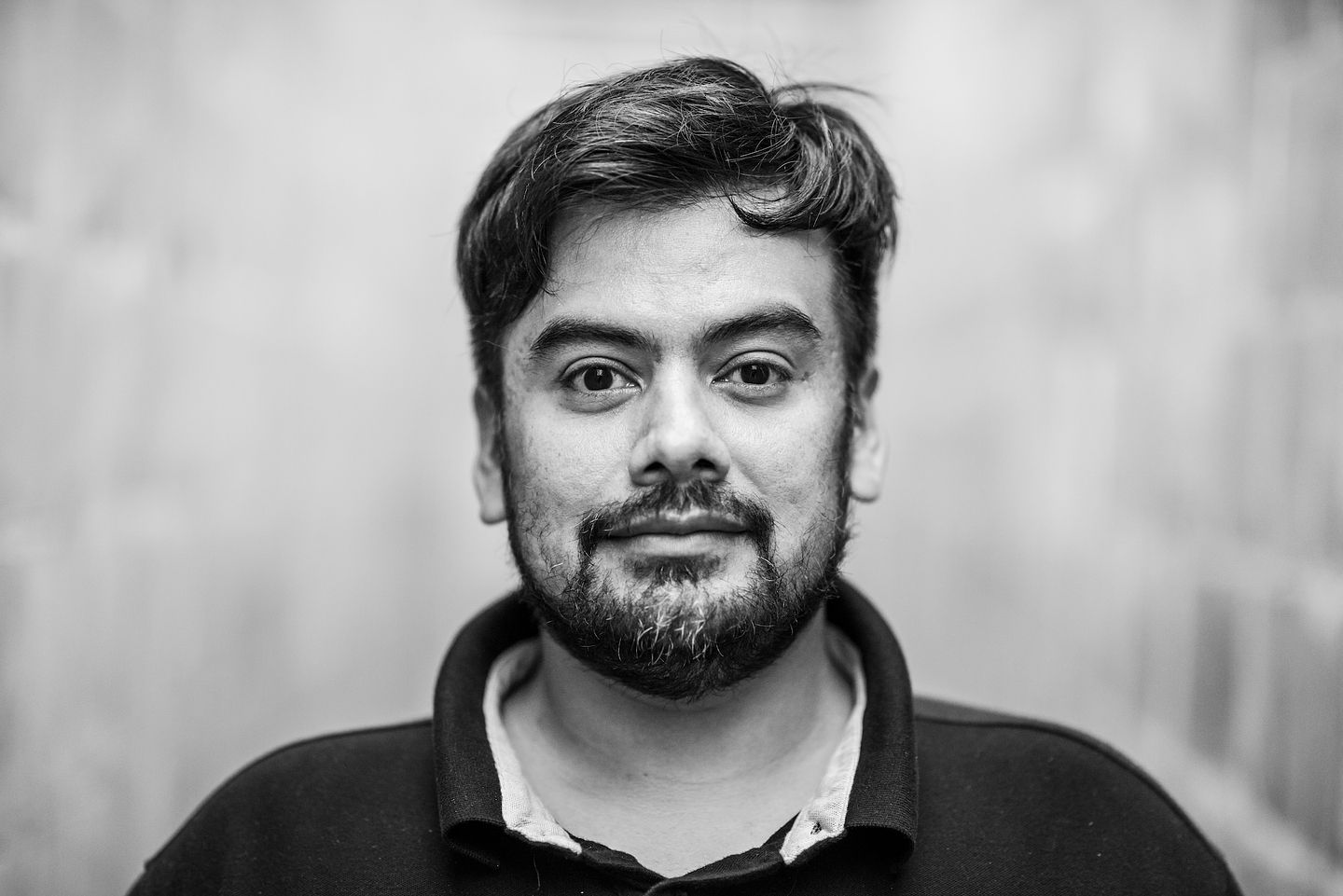
Constantina Zavitsanos is a New York based artist who works in sculpture, performance, text, and sound to elaborate what’s invaluable in the re/production of debt, dependency, and means beyond measure. Zavitsanos has exhibited at the New Museum, the Brooklyn Museum, Whitney Museum of American Art, Artists Space, PSNY, The Kitchen, and Participant Inc in New York; at MMK, Frankfurt, HKW, Berlin, Galerie Max Mayer, Berlin, Arika UK, Glasgow, and If I Can’t Dance, Amsterdam. With Park McArthur, they wrote “Other Forms of Conviviality” in the journal Women and Performance, and “The Guild of the Brave Poor Things” in Trap Door: Trans Cultural Production and the Politics of Visibility. Zavitsanos has received a Roy Lichtenstein Award in Visual Arts from the Foundation for Contemporary Arts Grants to Artists, a Keith Haring Fellowship in Art & Activism from Bard College/CCS, A Wynn Newhouse Foundation Award, and an Anonymous Was A Woman award.

Accessibility
The Reliance Theatre is located on the first floor of Emily Carr University of Art + Design. The building is best accessed from the southwest entrance, which faces Great Northern Way. The nearest address is 555 Great Northern Way. The entrance is an outward-swinging double door with hand-height buttons for automated opening. This entrance gives access to the building’s second floor. The elevators are located down the hall to the right, approximately eighty steps from the entrance.
Gender neutral washrooms are located on both the first and second floors.
Alternative formats: ASL and closed captioning will be available throughout the events. Please email yasminewk@westernfront.ca with any questions regarding accessibility supports for Night follows night.
Acknowledgements
100 Years in the Making | This event is organized in support of ECU 100, Emily Carr University of Art + Design’s centennial anniversary. Presented with support from the Audain Foundation.
Organized by Libby Leshgold Gallery, Western Front, and the Department of Art History, Visual Art & Theory at the University of British Columbia, with additional support from the Audain Endowment for Curatorial Studies; the Morris and Helen Belkin Gallery; the Indigenous Initiatives Fund; Critical Image Forum; and the Curatorial Research Cluster at the University of British Columbia.







Western Front is a non-profit artist-run centre in Vancouver.
We acknowledge the xʷməθkʷəy̓əm (Musqueam), Skwxwú7mesh (Squamish), and səl̓ílwətaʔɬ (Tsleil-Waututh) Nations as traditional owners of the land upon which Western Front stands.